
Teaching kids about money is no longer optional.
Children today are exposed to financial ideas earlier than any generation before them – and not through chores or pocket money like their parents once were.
These days, they’re more likely to encounter money through online games, in-app purchases, and influencers showing off lifestyles most adults can’t relate to.
The result? Kids form a money mindset long before parents ever sit down to “teach” anything, and parents often struggle with financial tension, like:
- A constant pressure to say yes, because every social event and school trend seems to cost more each year.
- Feeling guilty about saying no, especially when they want their kids to “fit in” socially.
- Kids picking up unrealistic views of wealth, shaped by social media rather than real financial habits.
If you’re a parent in this position, then the good news is that money habits are surprisingly easy to teach – as long as the lessons are simple, age-appropriate, and repeated in everyday life.
This guide offers seven practical ways for how parents can teach kids about money without patronizing them or turning money into a stressful topic.
We’ll cover:
- How to teach kids about money: 7 tips to build confident financial habits from the start
- Teach your kids about money with Sarwa: the smart and secure financial app that makes money learning easy
- Frequently Asked Questions
Want to improve your financial knowledge and pass it on to your children? Sign up now for Sarwa’s fully invested newsletter for regular updates from economic and financial experts.
How to teach kids about money: 7 tips to build confident financial habits from the start
Teaching kids about money works best when it’s broken down into simple, age-appropriate steps.
Children don’t need complicated theories or long lectures: they learn through repetition, small decisions, and the examples they see every day.
The following seven tips walk you through what to introduce at each stage of childhood, including the simple choices of infancy, right through to money management tips that teens should be starting to practice.
Tip 1: Start early with the basics (Ages 3–6)
Parents often assume that teaching kids about money can wait, but this early age group is when attitudes form quickly.
Preschoolers understand simple, concrete ideas, including objects they can touch, basic cause and effect, and clear choices. That makes ages three to six the ideal moment to build the foundations of financial literacy.
Start by focusing on the essentials. Show them what money is, explain that some things are needs while others are wants, and demonstrate that money runs out when it’s spent. These lessons don’t need to be formal. Every day offers plenty of opportunities.
Simple activities to teach kids about money work best.
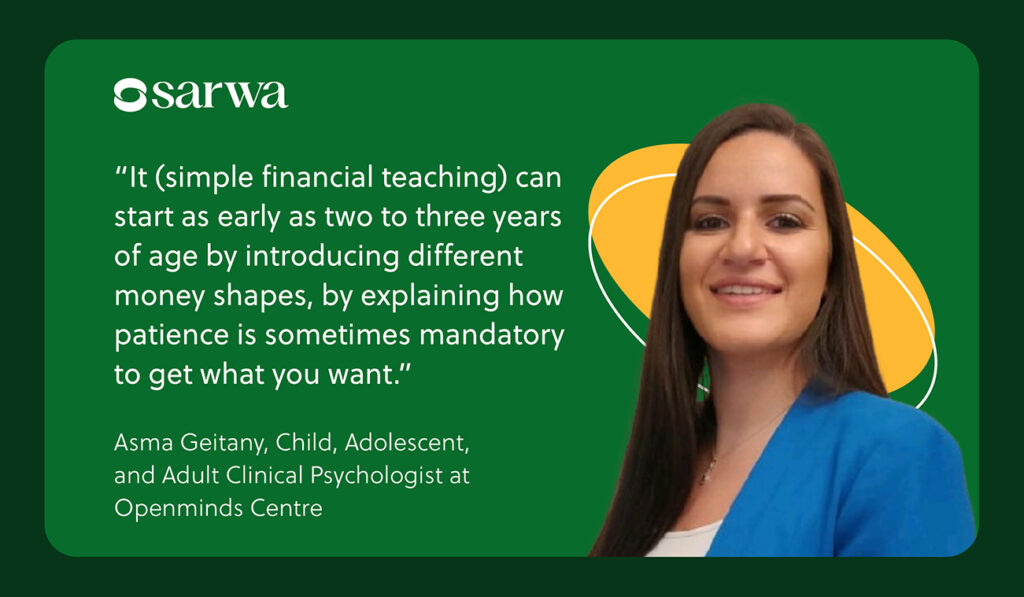
You can start by introducing them to money shapes, like letting them hold coins and bills, according to Asma Geitany, Child, Adolescent, and Adult Clinical Psychologist at Dubai-based Openminds Centre, speaking to Gulf News. “It can start as early as two to three years of age by introducing different money shapes, by explaining how patience is sometimes mandatory to get what you want,” she said.
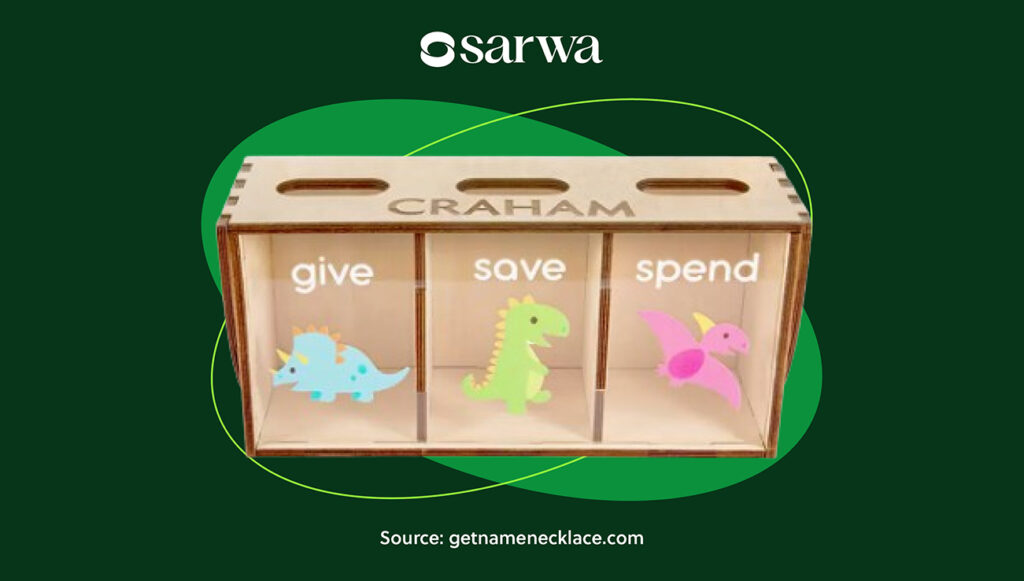
Another option is to try a money or coin bank sorting with three jars — give, save, and spend. Give them AED 5–10 at the grocery store and let them pick one item, or perhaps you can use toy trades to teach the idea of giving something up when choosing something else.
A Three-Jar Money or Coin Bank For Kids
1. The Spending Jar (Splurge)
- Purpose: Immediate gratification for small, daily, or weekly wants.
- Examples: Candy, small toys at the store, trading cards, or magazines.
- Lesson: Teaches budgeting, making choices within limits, and that money is for exchange, not just storing.
2. The Saving Jar (Long-Term)
- Purpose: Accumulating money for larger, more expensive items that take time to afford.
- Examples: A new bicycle, a video game, or a special experience.
- Tip: Put a picture of the item on the jar for motivation.
- Lesson: Teaches patience, goal-setting, and delayed gratification.
3. The Giving Jar (Share)
- Purpose: Money set aside for others, such as donating to charity, buying birthday gifts for friends, or helping someone in need.
- Examples: Supporting an animal shelter, donating to a local community project, or buying a gift for a friend.
- Lesson: Fosters empathy, kindness, and community responsibility.
Below is an example of what a three-jar money or coin bank looks like:
Source: getnamenecklace.com
Tip 2: Make money part of everyday life (Ages 6–9)
Kids in this age group see parents tap a card or phone and assume money is unlimited. This is the stage when they need to see how money works in the real world – principally that it’s earned, has limits, and needs to be managed.
Start by introducing simple concepts: that money comes from work, earning is different from receiving, and every family follows a basic budget, whether or not kids see it. This age is perfect for hands-on activities to teach kids about money because they enjoy responsibility and love making small decisions.
A chore chart that pays AED 1–5 could be one example that helps link effort with earning. This could include tasks like making their bed or tidying out their closet, each with its own small reward.
A birthday party budget also gives them the responsibility to choose decorations and treats within a fixed amount. Board games like Monopoly Junior or The Game of Life Junior build early money skills while keeping things fun.
These everyday moments show older kids how parents manage money. They also learn how much things cost and why choices matter. It’s a simple, practical way to teach children steady money habits long before their first bank account or debit card enters the picture.
Tip 3: Give kids a small but real budget (Ages 9–12)
A common mistake parents make at this stage is micromanaging every decision, which leaves kids with no room to practice real money skills.
By nine to twelve, children are ready for more responsibility. They understand short-term goals and also care about the cost of things. At this point, they’re old enough to balance wants against limits.
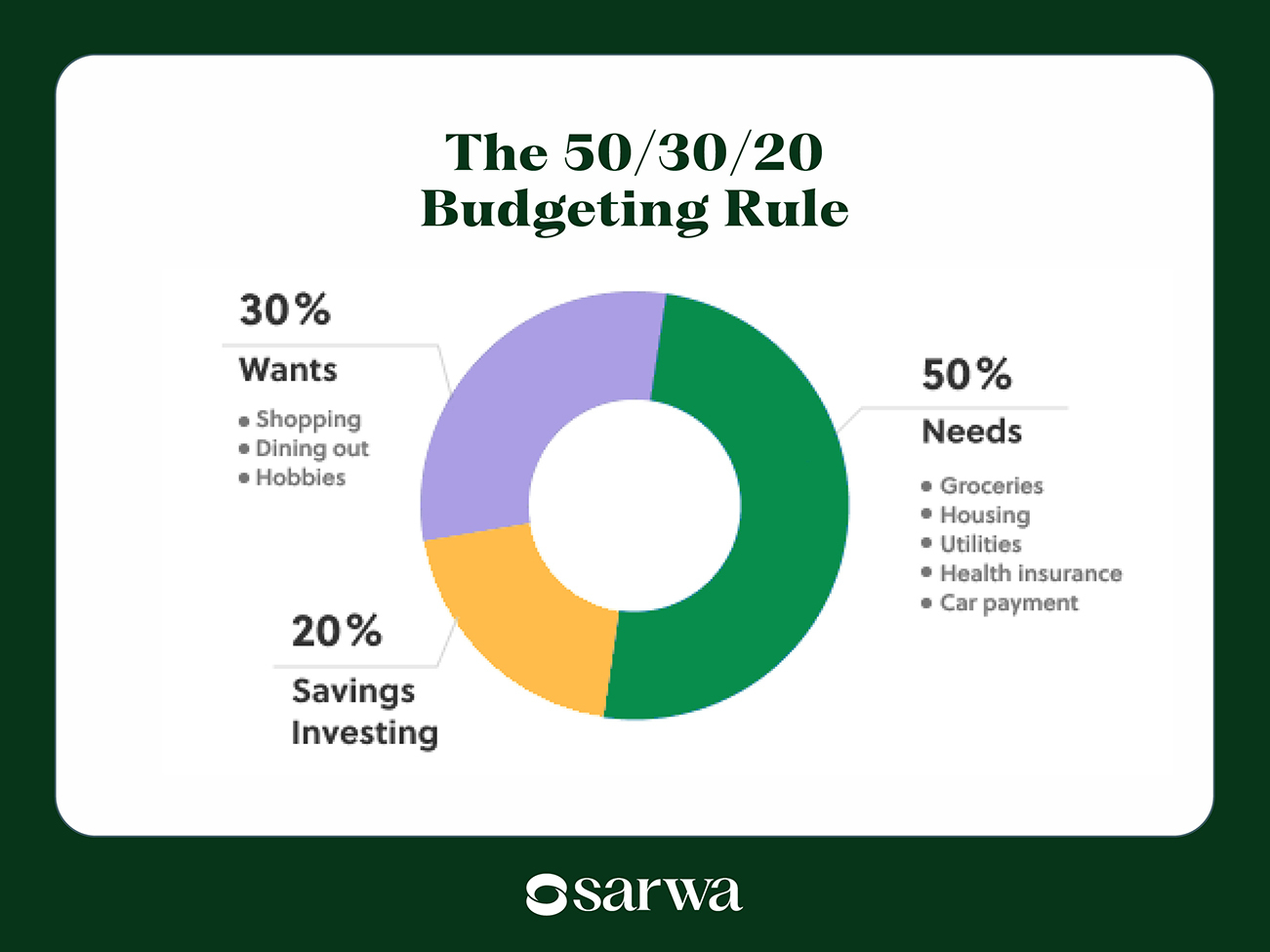
This is the right time to introduce a small allowance and show them how to manage it independently. Keep it simple: the 50/30/20 rule is perfect for kids – 50% for spending on everyday needs, 30% for saving for something they really want, and 20% for saving or investing in custodial accounts that the parent keeps control of. It’s straightforward and helps teach the idea of trade-offs.
To make it real, encourage them to choose a savings goal, such as a new video game or a school-related item. Teach “cost per use” thinking so they learn to compare value, not just price. If your bank offers a child-friendly savings account, this age group is ready for it.
Parents can reinforce the lesson by modelling their own habits. Using savings platforms like Sarwa Save, for example, helps adults work toward short-to-medium term goals with consistent contributions and steady returns. This shows kids that saving isn’t just something you tell them to do – it’s something you do yourself.
Tip 4: Teach teens how to manage digital money (Ages 13–15)
By early adolescence, money becomes social. Teens see influencers flaunting wealth, compare themselves to peers, and are surrounded by digital payments they rarely question. Without guidance, it’s easy for them to develop unhealthy expectations around spending, credit cards, and what “normal” looks like.
This is when teaching kids about money needs to shift toward digital habits. A good place to start is to show them how debit cards work. This will lead you into how to track spending and why small recurring subscriptions can add up quickly.
Talk openly about scams, especially those targeting younger users, from suspicious “investment tips” on social media to fake giveaways and crypto hype promising unrealistic returns.
Hands-on practice is key here. A prepaid debit card gives them controlled independence and teaches real accountability. You can review the cost of everyday items together (including school lunches, transport, and gaming subscriptions) so they understand how much things actually cost. You might even show them how to start an emergency fund to cover those unforeseen expenses that sometimes come along.
Most importantly, help them identify online traps and pressure tactics, particularly anything claiming easy money or overnight success.
Practical conversations now can prevent future mistakes and build strong money management skills long before their first job or bank account.
“The pre-teen window gives them time to make small mistakes before the stakes get higher, which mirrors what I see with my younger credit repair clients who often wish they’d learned earlier,” says Joe Gibson, Founder & CEO of Credability Boost, credit repair specialists.

Tip 5: Introduce investing in a simple way (Ages 13–17)
Many teens grow up believing that investing is something adults do “later”, like after a first job, a salary, or “real” responsibilities, but older children are capable of understanding how money grows long before that point.
At this age, they’re curious and already interacting with brands they love. It’s the ideal stage to introduce simple money lessons around the stock market and the idea of owning small “pieces” of companies they use every day.
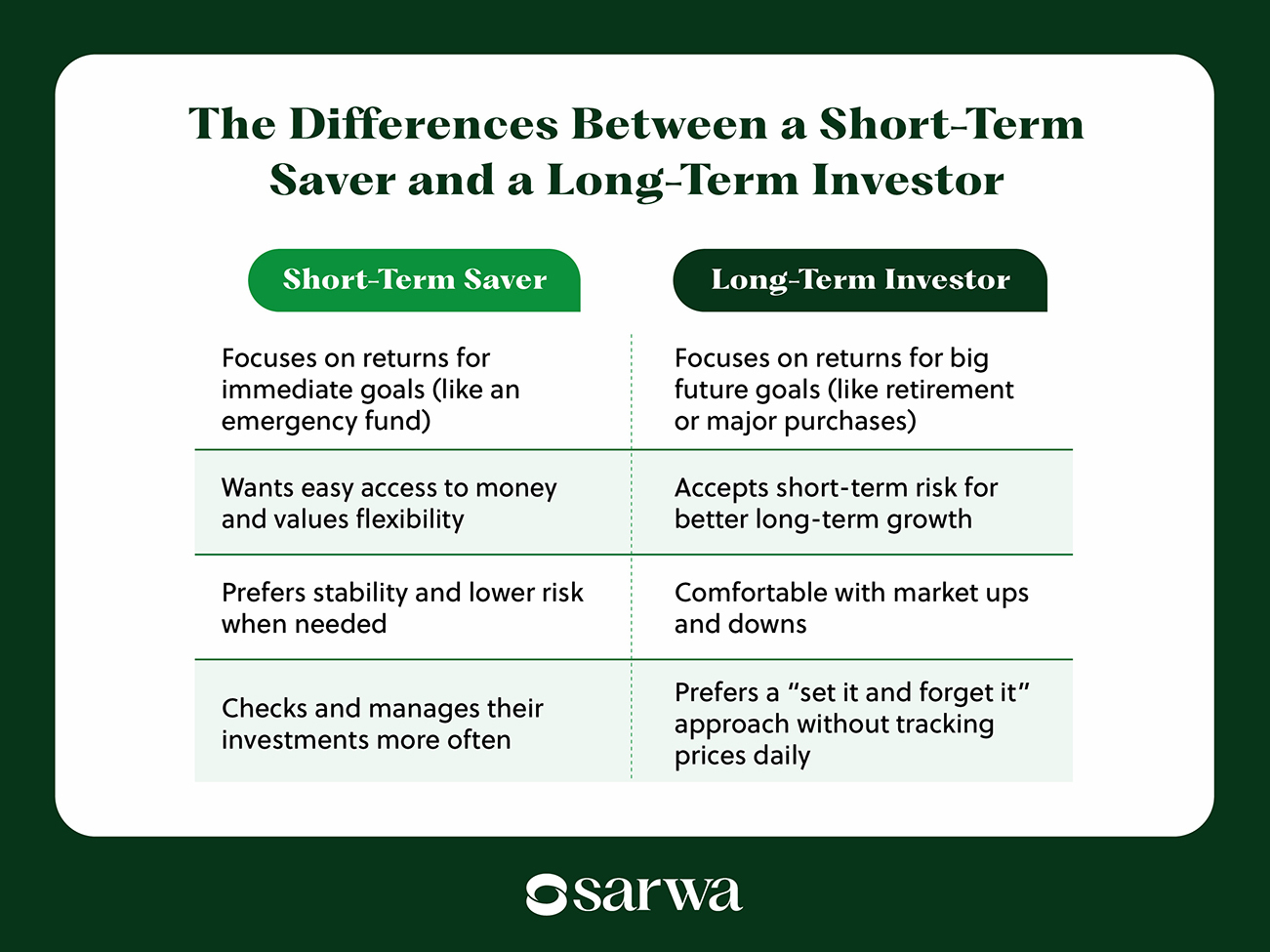
You can start by explaining how long-term investing differs from short-term trading. Show how compound interest rewards patience, and how even a year-old investment can gain value over time.
It also helps to explain the difference between saving for short-term goals and investing for long-term goals. Everyone needs a savings account for things they’ll need soon, like a school trip, a new phone, or emergency money. But when teens set goals that are years away, keeping all their money in a savings account (where returns are low) means missing out on the higher long-term growth that investing can offer. This helps teens understand why investing works best when you give it time.
Teens tend to connect quickly when you anchor the lesson in familiar names. Ask them to pick three brands they spend money on (Apple, Nike, Disney, for example) and check whether those companies are publicly listed. Once they see how owning shares works, you can introduce the idea of ETFs – funds that hold small pieces of many companies at once.
Explain that ETFs reduce risk by spreading money across dozens or hundreds of companies, which is why most beginners start there. Then chart an ETF’s long-term growth and compare it to what happens in a regular savings account.
If you want to go one step further, use simple books to teach kids about money, like Rich Dad Poor Dad for Teens or The Everything Kids’ Money Book.
Parents who want to make the lesson more concrete can explore investing together on Sarwa Trade, where fractional shares let beginners buy small portions of global companies. With no commission on AED transfers and easy access to US stocks and ETFs, teens get a real sense of how investing works without needing much money to start.
Tip 6: Let kids earn their own money (Ages 14–18)
Nothing teaches the value of money faster than earning it.
Kids who only receive money tend to spend it quickly, while kids who earn money develop discipline and a stronger sense of personal finance. By their mid-teen years, many young people are ready for their first small jobs or part-time activities that help them understand what their time is worth.
The goal isn’t to push teens into earning “much money,” but to help them experience effort, reward, and responsibility. Popular options include babysitting, tutoring younger children, helping neighbours with pets or simple household tasks, or selling handmade crafts.
Teens with creative skills can offer graphic design, social media help, or simple content tasks to small businesses – a practical introduction to entrepreneurship.
Once they begin earning, the real lessons begin. Teach them to track income, track expenses, and calculate their own “hourly rate.” Encourage them to save a percentage from every job and put it toward a major goal like a phone, laptop, or school trip.
As Warren Buffett puts it, “Do not save what is left after spending, but spend what is left after saving.” It’s a simple rule teens can understand immediately.

When teens fund their own milestones, the experience stays with them for life. It’s one of the most effective ways to build money management skills before adulthood.
Tip 7: Model the habits you want them to learn
Kids rarely follow instructions, but they always follow examples. Even older children watch how parents manage money, including how they save money, and how they make decisions about what to spend money on. This is why modelling good behaviour is often more effective than any formal “money talk.”
Show them how you evaluate purchases and plan for long-term goals, while avoiding borrowing money unnecessarily. Explain why you set savings goals, and how you use tools that help you stay consistent. These small moments – comparing prices at the store, delaying a purchase, choosing savings over impulse spending — teach kids more about personal finance than any lecture ever could.
You can also let them see how you use financial platforms. Parents who use Sarwa Save, Sarwa Invest, or Sarwa Trade can explain the thinking behind each choice:
- “This is where my long-term savings grow.”
- “This is how I buy fractional shares of companies I believe in.”
- “This is why I avoid debt and plan ahead.”
Teaching kids about money is really about letting them witness healthy habits. When they see you make thoughtful decisions, those same habits become part of their everyday thinking.
Teach your kids about money with Sarwa: the smart and secure financial app that makes money learning easy
One of the most effective ways to teach kids about money is to let them see how real financial tools work in everyday life.
Sarwa is a UAE-based financial app that makes this easier by offering simple, transparent products that naturally support healthy money habits. As a parent, you can show how short-term saving works through Sarwa Save, which offers competitive projected returns with no lock-ins or transfer fees. Kids can even watch their savings grow over time with Sarwa Save’s projected 4.1% return.
For older teens wanting to know how to invest money in the UAE, Sarwa Invest offers a low-effort, globally diversified investment portfolio that grows with them. The platform uses automated investing to keep things simple, and teens can see how long-term investing works in real time, including how regular contributions compound, why market ups and downs happen, and what it means to invest for future goals like university or travel.
Sarwa Trade also provides access to US stocks and ETFs. You can purchase fractional shares and enjoy free AED deposits and withdrawals.
Our trading platform keeps things beginner-friendly with clear charts, easy navigation, and essential order types like market and limit orders – without overwhelming newcomers with high-risk features.
Add Sarwa’s commitment to education, through its blog, tools, and newsletter, and it becomes a practical way for families to learn, talk about, and practise money management together.
Frequently Asked Questions
How can parents start teaching kids about money in a simple, effective way?
Model the habits you want them to learn, involve them in small daily decisions, and give them age-appropriate opportunities to practice with real money.
How do you explain the idea of money to younger children?
Use concrete, everyday examples, like choosing one item at the grocery store, sorting coins into jars, or talking about needs versus wants.
What does the 50/30/20 budget rule look like for kids?
It’s a simple structure that helps them organise their own money: 50% for spending on needs, 30% for spending on wants, and 20% for monthly investment plans. It builds early budgeting skills without overwhelming them.
How can teens learn about money?
Teens learn best through real experience, like managing small budgets, earning their own money, and tracking how they spend it. This is also a good time to introduce simple investing concepts. Parents can explore tools like Sarwa Save, Sarwa Trade, and Sarwa Invest together, giving teens a practical way to see how saving and investing work in the real world.
Do you want to teach your kids about money? Sign up for Sarwa to get the latest saving, trading, and investing tips that you can pass on to your family.